DC3 error code
Add Door lock issue
What does Samsung Washing machine DC3 mean?
Add Door lock issue. Samsung uses DC3 to identify a door, lid or latch condition on the affected washing machine. The code is a diagnostic starting point rather than proof that one specific part has failed. Confirm the complete code, exact model number and region before using repair information or ordering components.
The code identifies the condition detected by the product; it does not always identify the failed component on its own. Confirm the full code and exact model before ordering parts or attempting a reset.
The Samsung Washing machine DC3 error code indicates add Door lock issue. Samsung uses DC3 to identify a door, lid or latch condition on the affected washing machine. The code is a diagnostic starting point rather than proof that one specific part has failed. Confirm the complete code, exact model number and region before using repair information or ordering components. This guide explains what the code means, the symptoms and likely causes, the checks that are safe to make, and when to stop and arrange an authorised repair.
Symptoms you may notice
- The washing machine displays DC3 and may interrupt its wash or rinse cycle.
- The cycle may pause before filling, washing, spinning or draining.
- The remaining-time display may stop changing while the code is active.
- Water level, drum movement or door operation may differ from normal.
- The precise behaviour can vary by model, software version and the point at which DC3 is detected.
Common causes
- Samsung Washing machine DC3 is associated with the door, lid or latch condition described in Samsung's guidance.
- The door, lid or partition may not be fully seated in the position expected by the appliance.
- Clothing, packaging, residue or another obstruction may be preventing the latch from engaging.
- The latch or position sensor may be misaligned or damaged.
- Internal wiring or the control circuit may not be receiving the correct closed-position signal.
- The display code alone cannot confirm which cause applies; diagnosis should begin with the least invasive documented checks.
Before you start troubleshooting
Use the display, rating label or product menu to confirm the exact model. Similar-looking codes can have different meanings across product generations and regions.
- Record the complete code and the point in the cycle when it appeared.
- Check accessible water, drain, door and filter areas only when the appliance is safely isolated.
- Stop if there is leaking water, a burning smell or a repeatedly tripping electrical supply.
Troubleshooting steps
- Photograph or write down DC3, the model number and what the washing machine was doing when the code appeared.
- Read the Samsung guidance linked in the source field and check that it applies to the exact model and region.
- Switch the product to a safe idle state and remove any visible obstruction around the seal or latch.
- Close the door or lid firmly without forcing it.
- Check that removable partitions or accessories are installed in the documented position.
- Restart the operation once and note whether the code appears immediately or later.
- If DC3 returns, stop repeating resets and arrange authorised diagnosis with the recorded details.
Can you fix this error code yourself?
The safest next step depends on the exact model and the cause behind the code. External checks may help, but a returning fault needs professional diagnosis.
A successful reset is not proof that the underlying issue is fixed. If DC3 reappears, note when it happens and give that information to the service engineer.
Reset instructions
Cancel the cycle only if the controls respond normally. After completing the documented external checks, disconnect power for the period stated in the exact Samsung model manual, reconnect it and run one short test cycle. Do not repeatedly reset a returning code. A reset can clear the display without correcting the cause, so confirm normal operation afterwards and retain a record of DC3 for the engineer.
Applicable products and models
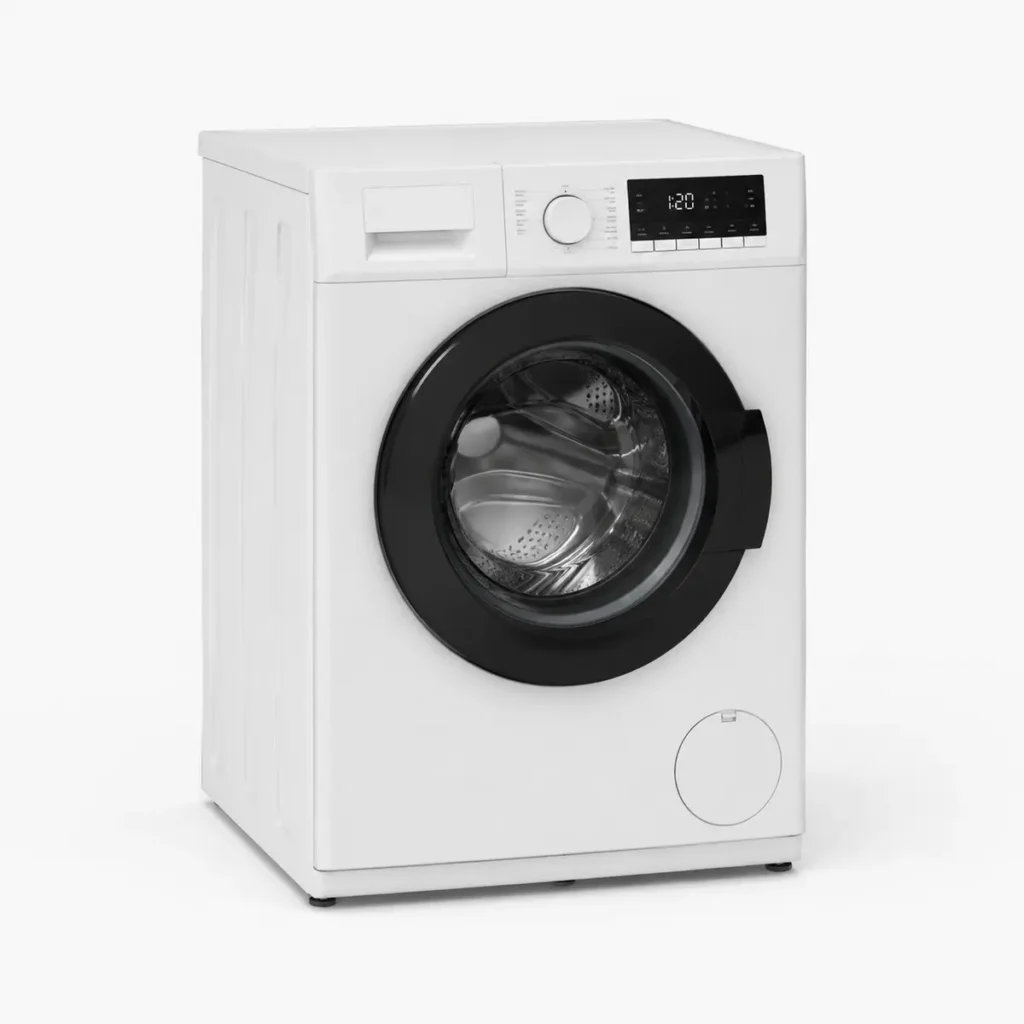 Washing machineModel dependent
When to contact a professional
Contact Samsung or an authorised service provider if DC3 returns after the documented external checks, appears with leakage, smoke, overheating, electrical tripping, unusual noise or loss of a safety-critical function. Professional diagnosis is also required whenever testing would involve internal wiring, refrigerant, gas, high-voltage, sealed-system or moving components. Provide the full code, model number, serial details, region and the stage of operation at which the fault occurs.
Frequently asked questions
What does Samsung Washing machine DC3 mean?
Add Door lock issue. Samsung uses DC3 to identify a door, lid or latch condition on the affected washing machine. The code is a diagnostic starting point rather than proof that one specific part has failed. Confirm the complete code, exact model number and region before using repair information or ordering components.
Can I fix Samsung Washing machine DC3 myself?
Some external checks may be suitable for the user, but the result depends on the exact model and cause. Use the official manual and arrange service if the code returns.
Should I reset the product after code DC3?
Cancel the cycle only if the controls respond normally. After completing the documented external checks, disconnect power for the period stated in the exact Samsung model manual, reconnect it and run one short test cycle. Do not repeatedly reset a returning code. A reset can clear the display without correcting the cause, so confirm normal operation afterwards and retain a record of DC3 for the engineer.
When should I arrange a repair?
Contact Samsung or an authorised service provider if DC3 returns after the documented external checks, appears with leakage, smoke, overheating, electrical tripping, unusual noise or loss of a safety-critical function. Professional diagnosis is also required whenever testing would involve internal wiring, refrigerant, gas, high-voltage, sealed-system or moving components. Provide the full code, model number, serial details, region and the stage of operation at which the fault occurs.